
The Power of Influencers
In today’s world, we consume information a lot quicker and Social Media has become a part of our lives in one way or another. For example, my mom uses Facebook to communicate directly with family members or even friends she hasn’t seen in a while, she doesn’t really use it to post photos. Her best friend however, uses social media to post about her travels overseas. Even though they are around the same age, they both use social media differently.
Something is clear, no matter how you choose to use your social media accounts, chances are you are following some sort of creator or what we called: Influencers.
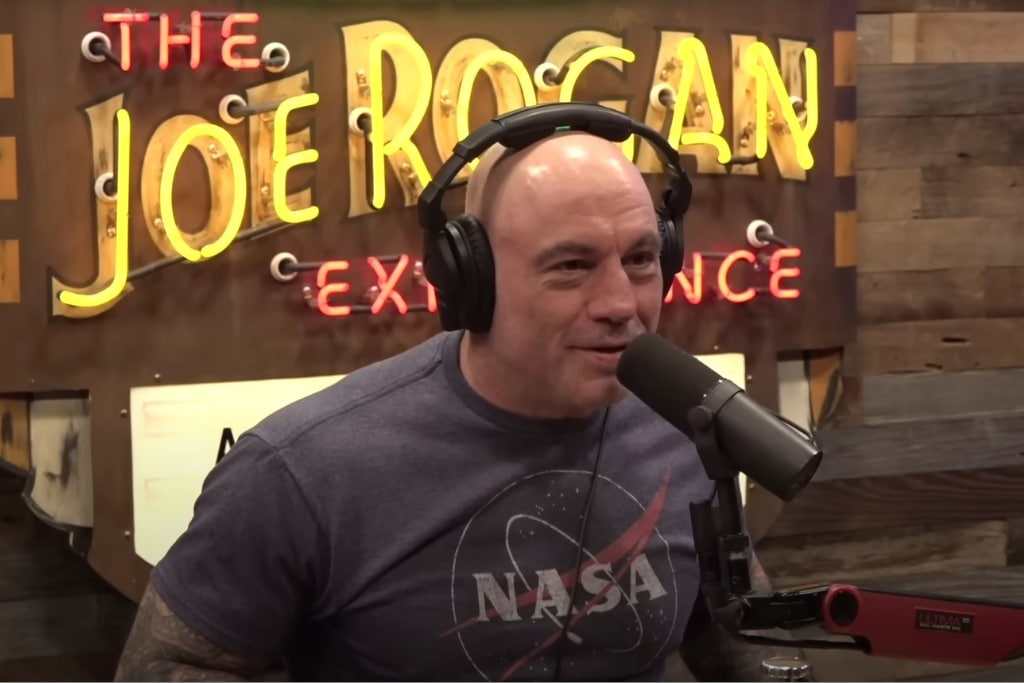
In my case, I find myself following several influencers related to fitness, entrepreneurship and mental health. My favorite example is Joe Rogan, whose podcast “The Joe Rogan Experience” merge authenticity, fitness, storytelling and even conspiracy theories. Joe Rogan success has a lot to do with his ability to create trust and emotional connection with his audience, making them feel like they “know” him in a personal level.
Influencer marketing has evolved from simple product endorsements and reviews to full-scale relationship-driven ecosystems, where audiences actively engage: sharing, mentioning and even buying into a lifestyle. As a consumer myself, I am conscious of the influence certain people can have in my life and I choose what people I listen to based on the message they choose to promote, I consume information carefully because I understand how marketing impacts relationships between brands, influencers, and audiences.
Influencer Marketing
I believe the key of a successful influencer is authenticity. Authenticity has replaced traditional advertising. Audiences no longer trust faceless commercials, they trust people. Influencers like Joe Rogan or even professional fighters like Alex Pereira, embody their lifestyles through consistent, relatable storytelling. Each post, podcast or clip feels like an honest reflection of their beliefs.
From a marketing standpoint, this authenticity converts simple engagement like comments or likes into influence, having a direct impact on people’s decisions: how they spend their money, career choices, and even the way they behave every day. Studies show that audience trust in influencer recommendations rivals traditional advertising by a wide margin, often leading to higher conversion rates (Casalo, Flavian, & Ibanez, 2021). The reason? Consumers perceive influencers as friends, not salespeople. This emotional connection strengthens both loyalty and credibility.
Effective Influencing
Successful influencers use advanced digital marketing thinking like personal branding, multi-platform integrations, community engagement, and value-driven content.
- Personal Branding: Influencers have a strong identity that aligns with audience values. For example, Joe Rogan emphasis on fitness, curiosity and open discussion builds a brand narrative backed by authenticity.
- Multi-Platform Integration: Successful influencers adapt their content for each platform: short clips on TikTok, Instagram Reels and YouTube shorts, long interviews and podcasts in YouTube, and quotes or short-text posts on X (formerly knowns as Twitter).
- Community Engagement: Engagement is not just a metric, it’s a two-way conversation. Comments, Q&As, and shout outs help audiences feel seen and valued, increasing emotional investment.
- Value-Driven Content: The most effective creators balance promotion with education or entertainment, offering knowledge and value before asking for attention.
These are just some of the strategies that reflect a relationship marketing mindset, the goal is not to just sell a product but to cultivate long term trust. This aligns with findings that relationship-oriented marketing leads to stronger loyalty and word of mouth spread (Men & Yue, 2019).
The Role of Influencers in Modern Marketing
Influencers now act as brand storytellers and trust brokers. They humanize companies, translating corporate messages into personal narratives that resonate with everyday life and regular consumers. Brands like Nike and RedBull have successfully partnered with athletes and creators who represent their values: perseverance, diversity, and community; values consumers can emotionally get attached to.
Instead of controlling the narrative, brands now co-create with influencers. This shift reflects a new era where marketing is not about speaking directly to consumers or asking them to buy a product, instead brands are now allowing the consumer to be a part of their narratives: creating with them and not just for them. Influencer become both customers and collaborators, bridging the gap between corporations and communities (Aichner, 2021). A good example of this approach is RedBull, they never ask you directly to buy an energy drink from them, instead they sponsor athletes and briefly show them drinking a RedBull before performing, they did this back in 2007 with Travis Pastrana. He became the first person to skydive without a parachute, in the video you can see Travis drinking a RedBull right before jumping off the airplane.
Consumer Relationship
The marketing perspective transforms the brand and consumer relationship from transactional to emotional. Through influencers, brands can demonstrate empathy, transparency, and shared values. However, this approach also introduces ethical challenges.
When an influencer faces controversy, the brand’s associated with the influencer might automatically experience backlash. The line between personal opinion and corporate representation can blur quickly. Companies must conduct due diligence, maintain transparency, and align with influencers whose personal values and brand truly reflect company values.
The pros of influencer marketing can then be define as strengthening the brand and consumer relationship by creating a two-way trustful relationship, the cons, it can expose companies to reputational risks if the influencer commit controversial actions. Understanding this balance is crucial for marketers aiming to accomplish credibility in this digital age.
Final Thoughts
Following influencers has made me more aware of how marketing truly works and how it impacts my decisions. Each story shared, each product used, and each post created contributes to an ongoing conversation between people and brands. The marketing perspective encourage empathy, understanding audiences deeply enough to connect with them authentically.
When executed ethically and creatively, influencer marketing has the power to not just sell products but to inspire movements, build communities, and re-define what it means to trust a brand.
References
Aichner, T., Grünfelder, M., Maurer, O., & Jegeni, D. (2021). Twenty-five years of social media: A review of social media applications and definitions from 1994 to 2019.
https://www.liebertpub.com/doi/pdf/10.1089/cyber.2020.0134
Casaló, L. V., Flavián, C., & Ibáñez-Sánchez, S. (2021). Influencers on Instagram: Antecedents and consequences of opinion leadership.
Men, L. R., & Yue, C. A. (2019). Creating a positive emotional connection: Communicative strategies of corporate social responsibility on LinkedIn.
 The Journey